
Samhain and the Celtic Roots of Halloween
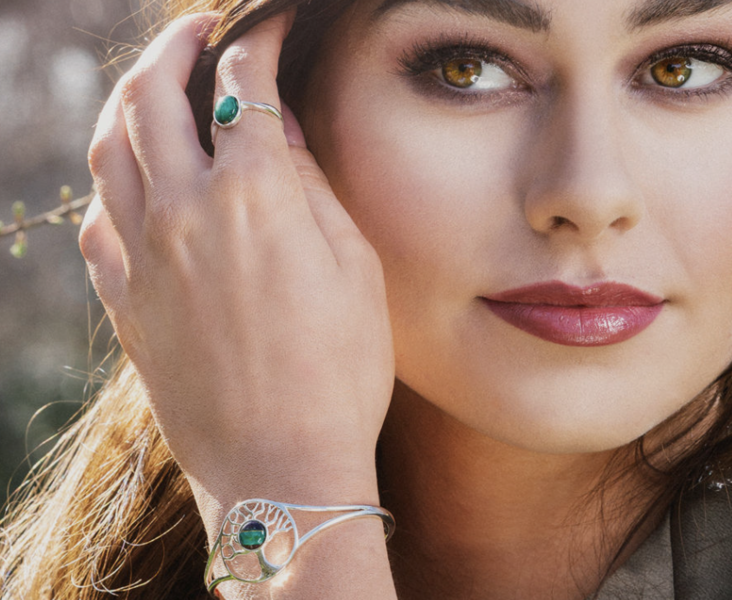
Long before there were pumpkins on doorsteps or sweets in plastic buckets, the people of the Scottish Highlands were marking something older and stranger: Samhain, the Celtic festival of the dead and the turning of the year.
Halloween as most of us know it today is a much-diluted descendant of this festival, and in Scotland, some of its oldest threads have never quite been cut.
At Heathergems, working with hand-harvested heather in the hills above Pitlochry, we're reminded of those threads every day, not least in two symbols that run through our work: the thistle and the tree of life.
What Was Samhain? The Gaelic Festival Behind Modern Halloween
Samhain (pronounced roughly "sow-in") marked the end of the harvest and the beginning of the Celtic new year, falling around 31 October to 1 November.
For the Gaelic peoples of Scotland and Ireland, it was one of four great seasonal fire festivals, alongside Imbolc, Beltane and Lughnasadh. But Samhain carried a particular weight.
It marked the shift from the light half of the year to the dark half, when cattle were brought down from summer pasture, stores were laid in for winter, and communities gathered around bonfires that were said to protect against the cold months ahead.
As Historic Environment Scotland's own research notes, many of Scotland's Halloween traditions, guising, bonfires, divination games, turnip lanterns, descend directly from Samhain rather than from any American import.
The thin disguise of a modern trick-or-treater has a much older ancestor in the Highland guisers who went door to door in disguise, offering songs or rhymes in exchange for food.
Why the Veil Feels Thin: Samhain in the Scottish Highlands
Central to Samhain was the belief that the boundary between this world and the Otherworld grew thin at this time of year.
Spirits, ancestors and the aos sí (the Gaelic "good folk") were thought to move more freely, for better or worse.
Bonfires were lit on hilltops, partly for warmth, partly as protection, and partly to mark the moment. In Highland Perthshire, where Heathergems has worked from Pitlochry for decades, that landscape of hill and glen is the same one those fires once lit.
It's worth remembering that Samhain wasn't a festival of fear so much as one of transition and respect.
It asked people to acknowledge the dark, the cold and the dead honestly, rather than distract from them, a sensibility that feels a world away from modern Halloween's plastic skeletons, but one that still resonates if you know where to look.
The Thistle: Scotland's Ancient Symbol of Protection
The thistle is Scotland's national emblem, and its symbolism reaches back well before it became a heraldic device.
A hardy, spiny plant that thrives on poor ground and defends itself fiercely, the thistle has long stood for resilience, protection and the refusal to be easily overcome, qualities that mattered enormously as the nights lengthened and communities turned inward for the winter that Samhain heralded.
That protective symbolism is exactly why the thistle appears again and again in Celtic jewellery, not as decoration for its own sake, but as a small, wearable talisman.
At Heathergems, our thistle designs use the natural texture and colour of dyed heather stem set into pewter or silver to echo the plant's own hardiness, a piece that carries genuine meaning rather than simply looking Scottish.
The Tree of Life: Celtic Symbol of Continuity Through the Dark Half of the Year
The tree of life, or crann bethadh in Gaelic, is one of the oldest and most widespread symbols in Celtic art.
The tree represents the connection between the physical and spiritual worlds, and the continuity of life through the changing seasons.
Its branches reach upward while its roots dig deep, a fitting emblem for a festival like Samhain that asked people to honour their ancestors (the roots) while still looking forward to the year ahead (the branches).
In a Celtic design tradition where knotwork and spirals are everywhere, the tree of life stands out for its stillness and balance.
It doesn't chase movement the way a triskelion or a knot pattern does; it simply endures, which is precisely the quality Samhain called on people to find in themselves as the light failed.
It's a symbol we return to often in our own designs, because it says something true about the Highland year rather than just filling a shape.
How Heathergems Carries These Traditions Forward
Heathergems jewellery is made from genuine heather stems, hand-harvested from the hills around Pitlochry and dyed and set by hand, a process unique to us.
We're the only makers of this particular kind of Scottish jewellery anywhere in the world.
When we set a thistle or a tree of life into a heather stem pendant or brooch, we're not borrowing Celtic symbolism as a marketing shorthand.
We're working with the same materials, landscape and stories that gave those symbols meaning in the first place.
That's also why Samhain feels like a natural moment to talk about this.
It's a festival about marking the turn of the year honestly, respecting what's gone before, and choosing something that will last through the dark months.
A piece of Celtic jewellery, made from a plant that survives a Highland winter and set with symbols chosen for their protective and enduring meaning, fits that spirit rather better than a costume that gets packed away on 1 November.
Wearing Your Heritage This Samhain
Whether you're marking Samhain itself, enjoying Halloween with family, or simply drawn to jewellery with real substance behind it, a thistle or tree of life piece is a quiet way to carry Scottish tradition with you past the end of October.
Browse our thistle and tree of life designs, each handmade in Pitlochry from natural heather stem. If you're choosing a piece as a gift, contact our team for help finding the design and meaning that fits.
FAQs
Is Samhain the same as Halloween?
Not exactly. Samhain is the older Gaelic festival that modern Halloween evolved from. Many familiar Halloween traditions, including guising and bonfires, come directly from Samhain customs practised in Scotland and Ireland.
What does the thistle symbolise in Celtic culture?
The thistle represents resilience, protection and defiance, qualities tied to its ability to thrive in harsh conditions. It became Scotland's national emblem partly for this reason.
What does the tree of life mean in Celtic jewellery?
The tree of life symbolises the connection between the earthly and spiritual worlds, and the continuity of life through the seasons, with roots representing ancestry and branches representing growth.
Why is Samhain associated with the "thin veil" between worlds?
Celtic tradition held that Samhain, sitting between the harvest and winter, was a liminal time when the boundary between the living world and the Otherworld was believed to weaken, allowing spirits and ancestors to be closer than usual.